

If you’re looking to connect more with your audience, you need to write a brand story.
Humans thrive off connections as we’re emotional beings.
This is often overlooked by brands who rely on hard sales tactics such as discounting, aggressive upselling, and scarcity pressure to get customers over the line.
Whilst these might work initially (everyone loves a bargain), they’re not powerful enough to stand the test of time.
Furthermore, what if you need to increase your prices all of a sudden or stop a certain offer?
If you’re only engaging customers on price, it’s limiting and risky.
By creating a brand story though, you’re giving customers something much more powerful to invest into. You’re making your brand more personable, more relatable – all of which transcend limited time offers or quick bargain buys.
If you’re new to creating a brand story, you might not know where to start or what to include. In this blog, you’ll not only learn the importance of a brand story in terms of increasing customer acquisition and retention, but you’ll also find out how to write your own.
Even better is the fact we’re breaking it down into 5 simple steps. Let’s get started.
What Is a Brand Story?
A brand story brings together your company’s history, values and purpose to tell customers who you are and why you exist.
It’s used heavily as a marketing technique to give customers something to connect to rather than a brand being perceived as ‘faceless’ or ‘cold.’
For example, if your only interaction with a brand is seeing the name and logo, it doesn’t really tell you much. You don’t know anything about this company or most importantly, why you should buy from them.
To your knowledge, they’re the same as every other company out there, even if they have a fantastic reputation for doing good in the community or a long established history dating back 100 years.
This is where a brand story comes into play as it conveys a particular message and emotion that resonates with people on a deeper level.
Why Is a Brand Story Important?
A brand story is important as it builds a connection with your audience. It tells them why you exist and your journey to this point which can be a very powerful sales tactic.
Customers increasingly want to buy from brands they ‘feel’ something for; brands that have a real sense of purpose or make a positive difference in the world.
Take Nike for instance. We’ll be covering other brand story examples later in the post, but Nike is a great example of why a brand story is important.
By focussing on inspiring athletes and pushing people to achieve and have ambition, people feel motivated by the Nike brand. They can see themselves achieving and being successful, all through buying a Nike product. Even the iconic tick feels inspirational and empowering as though they are pushing you to do your best.
This is very powerful and connects with people on an emotional level, encouraging them to buy Nike trainers over other competitors in the market.
If they didn’t have a brand story and only relied on their brand identity, a tick beside the word ‘Nike’ wouldn’t mean that much to anyone. It’s the narrative they have built around it which hooks people in and makes them feel compelled to buy and be part of something bigger.

When Should You Write Your Brand Story?
You can write or refine your brand story at any time, but ideally it should be written when you’re launching a new brand or going through a phase of transition i.e. a rebrand.
These moments allow you to write your brand story with clarity, ensuring it truly reflects where you are in your journey.
Other moments are:
- If you’re expanding into new markets or changing your target audience – A well-crafted story creates a common thread across all locations, products, or demographics. It can also be used to help unfamiliar audiences quickly understand who you are and why your brand is important.
- To differentiate your brand -If your brand is offering something similar to others, your story can be what sets you apart emotionally. There’s competition in every industry so this can be something unique that sets you apart.
- When internal alignment is disjoined – Whilst your brand story is important externally, it’s equally important internally ensuring all staff are on the same page. If they’re not, it’s difficult to sell your product /service as everyone is saying different things.
- When you’re starting a new partnership – Investors and collaborators don’t just buy into your product, they buy into your story as this tells them key information about your history and purpose.
Essentially, you should write your brand story either before you initially launch your brand or if there’s a key turning point.
Create Your Own Brand Story in 5 Steps
We’re telling you how to create your own brand story in 5 simple steps. Maybe you already have a brand story but you’re not sure it really reflects who you are as a company, or perhaps you’re totally new to the process and you’re not sure where to begin.
Regardless of where you are in your journey, follow these 5 steps below to build a brand story that your customers can relate to.
Remember: This isn’t a nice thing to have; it’s a strong sales technique which leads to more customers and better customer retention.
1. Know what’s important to your target audience
Your audience are your most important people. They need to resonate with your brand story so that they’re bought into what you’re all about. They have lots of other options when shopping for pretty much anything nowadays, so your brand story needs to really engage them.
Think about what they’re passionate about and what lies close to their heart, for example, are they environmentally conscious or do they value durability and something that can stand the test of time?
2. Establish your brand values
Now you know what your audience cares about, what do you care about as a brand?
And do these values align with those of your target audience? Be authentic and genuine when identifying your brand values as customers can see right through a brand trying to be something they’re not.
Really think about what lies at the core of your brand and what things you really care about as these will be weaved through your brand story to help set you apart.
3. Follow the brand story framework
Every compelling story follows a familiar structure: a status quo, a conflict, and a resolution. The same framework applies to your brand.
- The status quo is the old way of doing things i.e. the norm that people have come to accept.
- The conflict is the problem with that norm – something your brand exists to disrupt or improve.
- The resolution is how your brand steps in to solve it through a product, service, or new approach.
For example, before Airbnb existed, the most popular way to travel was by staying in a hotel (status quo). But hotels were often expensive, impersonal, or lacking local character (conflict). Airbnb introduced a new way to travel, by allowing people to stay in real homes hosted by locals, offering more personal, affordable, and authentic experiences (resolution).
4. Make your hero relatable
Stories with strong characters are the most impactful. Think about your favourite childhood story for example. Little Red Riding Hood, Goldilocks & The Three Bears, or The Ugly Duckling. What they all have in common is strong characters that people remember.
In your brand story, the hero can be your company, its founders, employees, or your customers but the key is to show their journey and the challenges they face.
5. Keep your story simple
When you’re trying to win over your potential customers, keep your story short, clear, and easy to connect with. Whilst you want to follow the brand story framework above, you don’t want to write an essay!
You’re trying to engage people who have increasingly short attention spans and lots of brands competing for their custom. Be direct and to the point so they know why they should buy from you without scanning chunks of text. Around 200 words is a good length for a brand story.
Brand Story Examples
Brand story examples are a great way of seeing how other brands approach this process to create something compelling.
Whilst your brand story needs to be unique to you (it’s one of the best ways to differentiate yourself), all good brand stories follow a similar framework. Read on to learn which brands are getting it right.
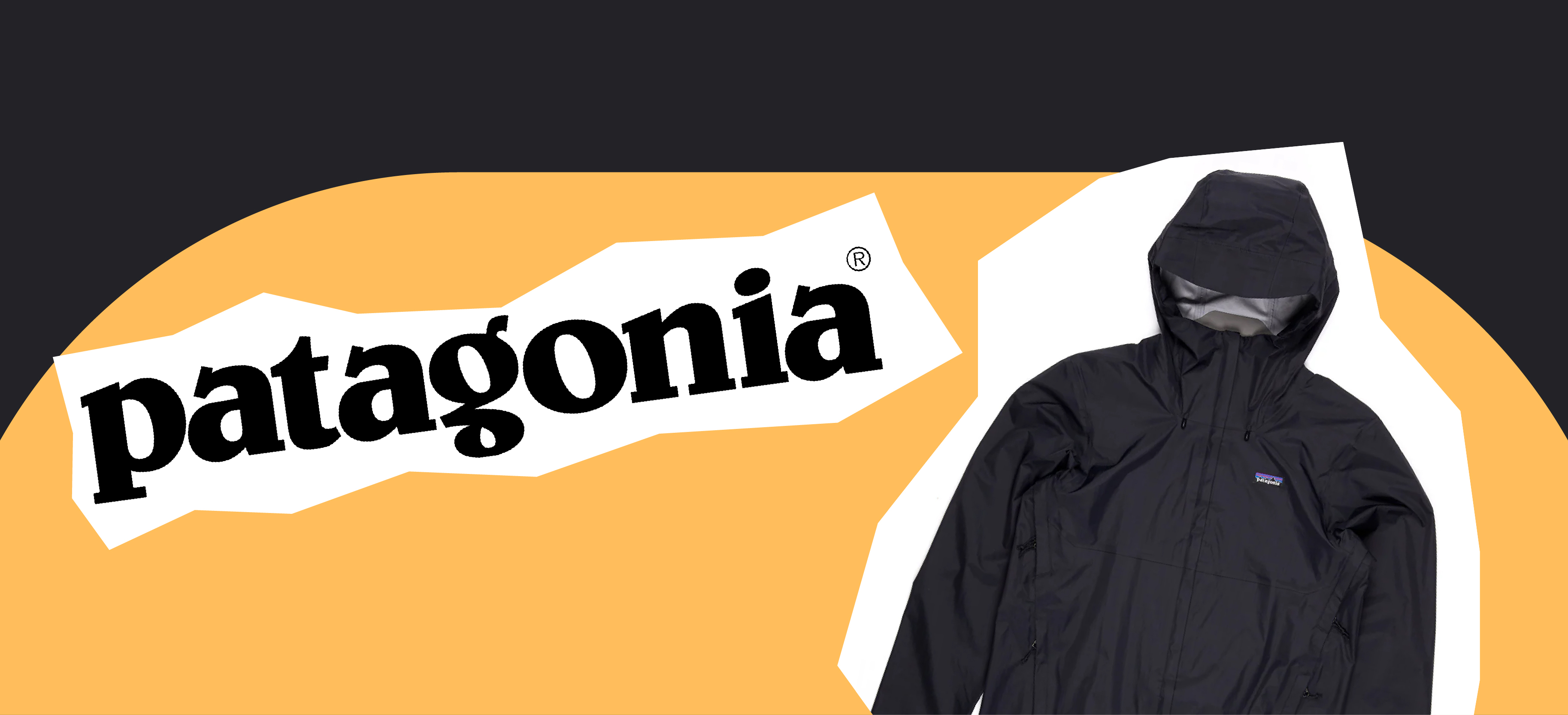
Patagonia
Status quo:
Lots of brands produce outdoor clothing en masse which leads to a great deal of waste. The industry is often focussed on profits meaning overproduction and unethical practices are the norm.
Conflict:
Patagonia recognised that outdoor clothing designed for those that love the outdoors shouldn’t mean harming the environment in the process. There’s a clear disconnect between the industry’s means of manufacturing and the profile of the end user.
Resolution:
Patagonia built durable, repairable outdoor clothing and committed to ethical sourcing. This not only meant clothes lasted longer which reduced waste, but also meant clothes were made from high quality materials. They also pledged 1% of their sales to the planet, making their mark as a business that puts purpose over profit.
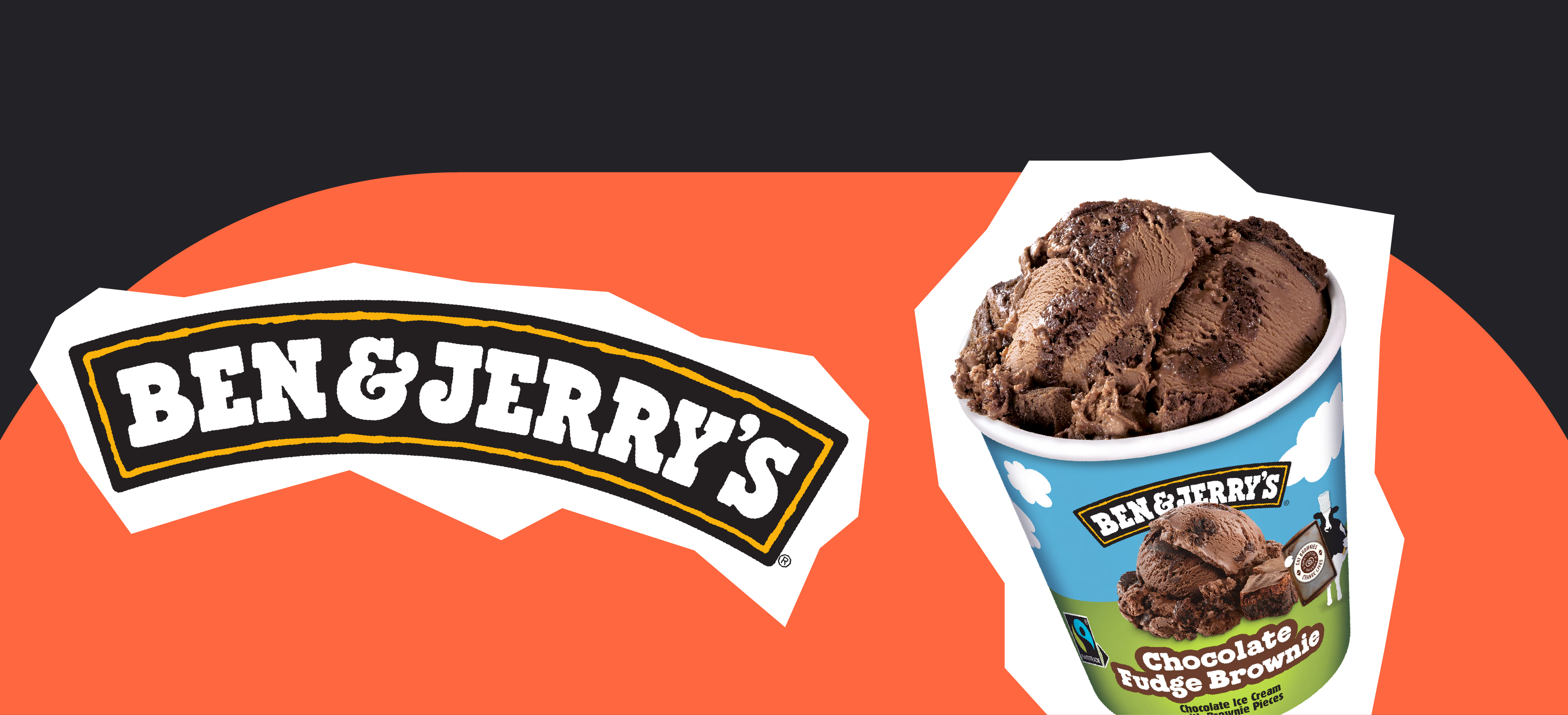
Ben & Jerry’s
Status quo:
Ice cream was just seen as dessert and something you’d have at the end of your meal if you were still hungry. Brands often focussed on traditional flavours and corporate branding so there wasn’t much fun or creativity in the industry.
Conflict:
Ben and Jerry, two childhood friends, wanted to make ice cream bold and fun. They introduced new, interesting flavours and breathed life back into the industry. Even the packaging is vibrant and colourful, reflecting what’s inside and making people more excited about ice cream.
Resolution:
Ben & Jerry’s created something new and exciting in the market. Aside from the bold flavors, they also committed to climate justice and racial equity, turning the brand into a platform for positive change overall.
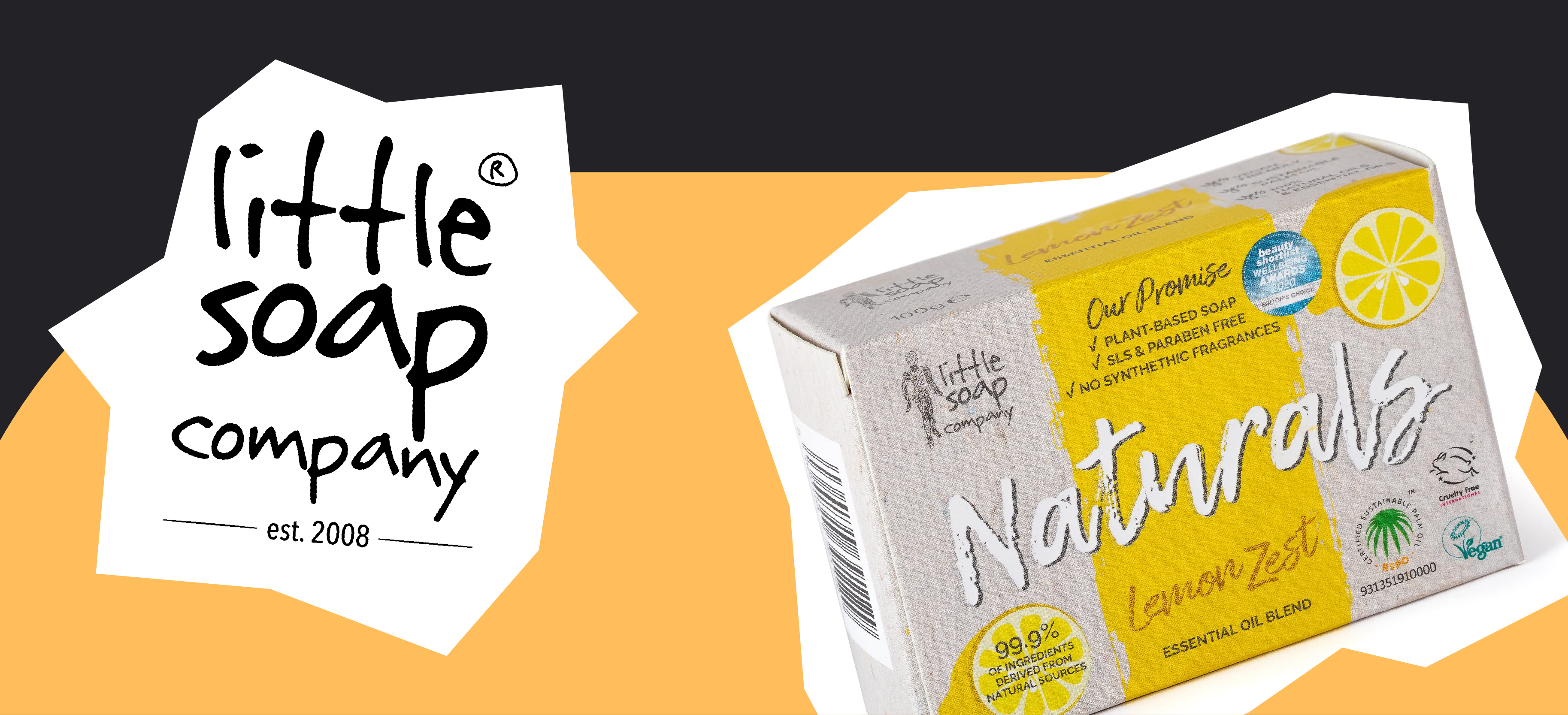
Little Soap Company
Status quo:
Liquid soaps in plastic bottles contribute to a huge amount of waste and pollution which negatively impacts the environment. Furthermore, people buy different products for different jobs (i.e. hair, body etc) which leads to more waste.
Conflict:
The Little Soap Company wanted to provide soaps that not only smell good but are good for the planet too. They also wanted to create more versatile soaps which could be used from head-to-toe, meaning people get more use out of a single product.
Resolution:
The Little Soap brand was born with sustainability at its core. With full-body ranges such as their Eco Warrior bars and natural and organic skincare soaps, people can get more out of a single bar while still smelling beautiful. By ditching the plastic bottles, they’re also cutting down on waste and reducing their environmental footprint.

Airbnb
Status quo:
Before Airbnb, travel was dominated by hotels which often lacked a personal feel. Tourists were also quite limited in terms of the style of accommodation and hotels could feel unauthentic. This meant people weren’t truly experiencing the culture of new places and often weren’t interacting much with the locals.
Conflict:
The founders of Airbnb wanted people to experience a more personal stay and to have more choice when travelling. This would allow people to choose from different types of experiences and to also explore cheaper options too. Furthermore, this would help break down barriers between cultures and create a greater sense of ‘belonging’ – the concept at the heart of their brand story.
Resolution:
A global platform was created where anyone could become a host, working as a means of income for them and offering tourists more choice of where to stay. The hospitality industry had been turned on its head and travel was no longer defined by hotel chains.
What Is a Brand Story and How to Write Your Own
A brand story brings people into your brand and makes them feel more connected to it. By understanding why you exist and the purpose you serve, they can relate more to your offering, rather than seeing you as just another faceless company.
Think about what you do and why, and follow the brand story framework outlined above. This ensures your brand story is well-structured and differentiates your offering from others in the market.
It doesn’t need to be the longest thing in the world; it just needs to clearly communicate what makes you different and why people should care.
At Discovery Design, we work with clients across a range of sectors, helping them define their brand to better connect with their audience. Whether that’s through brand strategy creation, rebranding, or website design, we can take your brand to the next level. Get in touch to find out more.