Skip to content

Marketing

Your Guide To Nostalgia Marketing: What Is It and Why Is It So Powerful?

13 min read 📖

Do you feel as though trends are becoming increasingly fleeting, making it more difficult to tap into trends for your own brand’s marketing? If so, let us introduce you to a marketing strategy that’s older than the internet and more powerful than the latest TikTok dance trend – Nostalgia Marketing. 

At its core, nostalgia marketing leverages key moments from the past that encompass that era to create a strong, emotional response from consumers. These elements might include:

  • Iconic music or soundtracks>
  • Vintage or retro packaging
  • Classic pop culture references

This type of marketing is becoming increasingly popular amongst brands due to the powerful response they emulate in consumers, which leads to stronger results for brands.

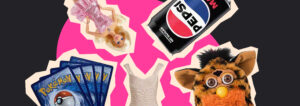
Instead of trying to keep up with the latest social media moment, brands are stepping back in time. From Pepsi’s return to their 90’s logo style, to the iconic marketing rollout for the Barbie movie, brands are tapping into nostalgic moments to drive sales, awareness and grow their following.

As noted in The Drum,  Forbes reported that 80% of millennials and GenZ’s are drawn to brands who tap into nostalgia. And 92% of consumers feel that nostalgia makes an advert more relatable.

Let’s look into exactly what Nostalgia Marketing is, how brands are tapping into it, and some common pitfalls to avoid for your own nostalgic campaigns.
What Is Nostalgia Marketing?

Nostalgia Marketing is far more than just creating retro packaging; it’s a strategic, psychological technique that taps directly into our emotions. But what exactly do we mean by “nostalgia”?

We’ve all had that feeling when we’ve heard a jingle from an old TV advert, or seen toys from our childhood making a comeback. It forces us to reflect on the past, with a yearning for the ‘good old days.’ It can make us feel happy, warm and safe, which are all positive and powerful emotions. That’s the nostalgic emotions that more brands are tapping into as their latest marketing tool.

When brands successfully trigger this feeling, they don’t just sell a product; they offer a fleeting moment of comfort, security, and simpler times, forging a more personal connection with the consumer. This immense emotional leverage is why campaigns built on nostalgia can be incredibly powerful and effective in today’s marketplace.

A 2014 study found that nostalgia marketing generally runs on a 20 to 30 year cycle, which is why we regularly see resurgences in trends from past decades. So if you’re currently reading this and you’re aged between 30-35, you’re probably seeing trends from your childhood appearing again in stores and on social media.

How Profitable Is Nostalgia Marketing?

Brands have been tapping into key emotions in their marketing for a long time, finding that the more they connect with their audiences, the more fruitful it becomes for their businesses. Therefore, nostalgia is the latest emotion that brands are targeting to bring a unique edge to their campaigns.

Mintel found that 76% of UK consumers are attracted to sweets that remind them of their childhood, showing that nostalgia plays a pivotal role in hyper-competitive markets. If your brand is struggling to stand out, a nostalgic strategy can be a powerful tool to help get your brand noticed by new customers, either online or on the shelf.

The BBC found in a study that consumers are more likely to spend money on brands that evoke a sense of nostalgia. So if you’re looking to increase your profit margins, whilst giving consumers a unique and valuable experience, this strategy could be a powerful tool.

Let’s take a look at some real-world examples of brands that have successfully crafted a campaign rooted in nostalgia.

Brands That Are Tapping Into Nostalgia Marketing

There are two types of brands that are leveraging nostalgia marketing that we’ll call “nostalgic brands” and “newer brands.” Nostalgic brands have been around for a while and are using this marketing technique to tap into an era that their brand existed within. Whereas newer brands that have only been around for the last decade are bringing past trends that their brand didn’t exist within into the modern world.

Let’s take a look at some nostalgic brands and how they’re re-living the past with their latest marketing campaigns.

Nostalgic Brands Tapping Into Nostalgic Trends

Sometimes, in order to bring something new to a brand, you need to look back. For brands that are well-established and have a lengthy history, they’re able to tap into trends that they were a part of and re-ignite them for today’s consumers. This strategy is two-fold by re-engaging consumers who will remember this trend, and younger consumers who are highly receptive to nostalgic trends, like Gen Z.

The Bandage Dress

That’s exactly what fashion brands Herve Leger and House of CB did with the iconic Bandage Dress. Herve Leger is known for creating the original bandage dress, which became a staple trend in the 90’s. British fashion brand House of CB re-introduced the bandage dress across the pond in 2010, extending the original trend for over 2 decades.

With brands always looking for new ways to reflect on their brands when they have birthdays or anniversaries, both of these fashion houses chose the nostalgic route.

For their 40th Anniversary collection, Herve Leger re-launched the original bandage dress alongside new styles inspired by this garment. House of CB also launched a Bandage Dress Birthday Collection with nods to the iconic 90’s dress and more up-to-date styles.

Fusing the original style with modern flare allows the fashion brands to tap into the 90’s fashion trend, without making the collection seem dated – which can quickly happen in the fast-paced fashion world.

So, consumers can enjoy the nostalgic sense of seeing the original bandage dress back in the world, but can also shop inspired styles that fit their modern style more closely.

90’s Toys For A New Generation

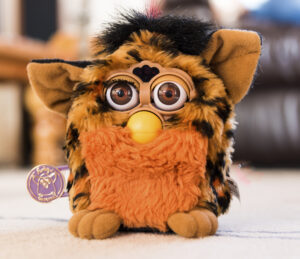
In 2023, toy giant Hasbro announced that they were bringing back one of the most popular toys from the 90’s – Furby. But a lot has changed since 1998, so they know they couldn’t just replicate the blueprint from the original model and put it on shelves. Before they even started, they conducted thorough research on what this generation of children would want from their 90’s toy, as Senior VP Kriten McKay states:

“Over the past few years, we’ve done a lot of research to understand what kids would want to see in a new Furby,” said Kristin McKay. “Through this research, kids told us that it was important for Furby to be their ultimate best friend – a furry companion to do all the things a BFF would do, like dance to music, share fortunes, meditate, mimic each other in silly voices, and even put on a light show, and that’s exactly what we created.”

By crafting an updated version, Hasbro fused together the elements from the original model that made it an iconic toy, with modern elements that this generation cares about the most. This helps the Furby stand out in a competitive market, with new elements like technology, social media and smartphones to consider when designing a new toy.

Nostalgia Movie Marketing

In 2023, the highly-anticipated Barbie movie was released in cinemas, with record-breaking box office success globally in the opening weekend. Not only was this down to a huge weekend for cinema (we all remember Barbieheimer) but also due to Barbie’s strategic global marketing.

Since its invention in 1959, Barbie has been an iconic toy in households across the world, accumulating in various spin-off Barbies over the decades. So when the live-action Barbie film was announced, they tapped into one crucial element of the Barbie brand to evoke a strong sense of nostalgia – pink.

Instead of pushing the real Barbie toys that their target audience wouldn’t be interested in, they leaned into the Barbie pink colour palette to generate a worldwide buzz. The rollout saw multiple collaborations that saw popular brands drenched in the iconic Barbie pink colour, keeping the nostalgia of Barbie alive with products that their target audience will actually purchase.

It’s not only brands that have been around for decades that can leverage nostalgia in their marketing. Let’s take a look at how newer brands have leveraged past trends for their latest campaigns.

Newer Brands Bringing The Past Into The Present

Although established brands have a rich history that they can tap into, modern brands can still take advantage of nostalgic moments in their marketing campaigns.

The New King Kylie Collection

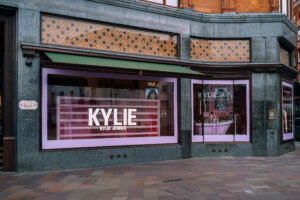
She might be the youngest Kardashian sister, but Kylie Jenner has spent the past decade building a makeup empire with her brand Kylie Cosmetics. So when it came to celebrating the brand’s 10 year anniversary, they looked back to the year 2016 when their brand first launched to inspire the new collection.

They carefully picked the most recognisable trends from this year, from snapchat filters, to photo collages, to Kylie’s unforgettable blue hair during her King Kylie era. Therefore, the brand released the King Kylie collection, inspired by all of these moments that Kylie and her consumers will remember fondly.

With revamped packaging and a website that feels like stepping back a decade, the brand immersed itself into the 2016 era, ensuring that there was a moment for everyone to relate to.

The King Kylie collection featured products that were part of the original line, including their sold-out Lip Kits. Back in 2016, the Lip Kits were the most in-demand makeup products, however, they also came with a lot of critique. Customers complained of the formula drying out their lips and having quality issues.

The brand carefully listened to their customers and released the Lip Kits in their original colours, but with a new formula. They also included new products to accommodate new makeup trends, bringing the products they’re known for into the present without feeling forced or dated.

This collection fused nostalgic moments and iconic colours from 2016 with the brand’s modern formulas and newer products to ensure the collection was nostalgic but not dated (and no more dry lips).

Common Pitfalls To Avoid In Nostalgia Marketing

When you’re wanting to evoke a sense of nostalgia, there is a wealth of trends from previous decades that you can tap into. Although this marketing tool can be highly fruitful when executed well, there are a few common pitfalls that can leave your nostalgic campaign looking and feeling dated and flat.

Forgetting To Combine The Past With The Present

When you’re tapping into a nostalgic moment or era, it’s important to always bring it back to the present. Although there are fond memories attached to these past trends, there are also reasons why they sometimes stay in the past and haven’t translated to the modern world.

Successful brands are able to cherry-pick the specific elements of the era they want to emulate and strategically bring it into the present day without losing that key, nostalgic feeling. However, according to Forbes “Brands who rush into employing retro strategies without placing the modern world in context may be seen as out of touch — or worse, irrelevant.”

Pokemon Go is an example of a fusing their retro game with modern technology. They meticulously included all of the elements that gamers love without the clunkiness of old technology. Coupled with the ease of simply downloading the app straight onto their phones, they were able to give consumers the same, nostalgic feeling of playing a classic Pokemon game, but now built for the smartphone gaming world.

Forced Nostalgia

Although it’s possible for most brands to be able to tap into nostalgic moments, it’s crucial that the whole campaign feels authentic. Although consumers are drawn to these nostalgic moments, they’re also able to spot when a brand has forced a moment for the sake of sales. Outside of this type of marketing, brands that aren’t authentic can end up alienating potential customers rather than drawing them in.
Therefore, when you’re deciding which nostalgic moment to tap into, ask yourself the following:

  • Does this relate to our audience in an authentic way?
  • Does this seem like a natural progression for the brand?
  • Is this unique enough to capture people’s attention?

Tips For Tapping Into Nostalgia Marketing

Now that you know the common pitfalls to avoid, here are a few tips to help your nostalgic marketing campaign feel authentic, unique and relatable to your audience.

Before Anything, Do Your Research

With a wealth of nostalgic moments that brands can tap into, researching past trends and eras will help you understand which ones will best suit your marketing campaign. As a starting point, think of nostalgic moments within your sector, such as fashion, food, toys or cosmetics. Then, delve into why these trends became a beacon for that era and use that as a basis to help craft your campaign.

Two Brands Can Be Better Than One

Nostalgia marketing can be tricky to navigate for a single brand – especially if the brand that invented the nostalgic moment still exists. Sometimes, instead of re-creating iconic moments from the past, collaborating with brands can be a fruitful solution.

For example, in 2024, Primark launched a collection in collaboration with 90’s and 00’s iconic brand Groovy Chick. The collaboration allows Primark to tap into a key nostalgic fashion moment without having to re-invent the moment from scratch. For Groovy Chick, they get to distribute their collection to one of the largest high-street retailers in the UK. Importantly, for the consumer, the collaboration feels authentic, appeals to their consumers and taps into a truly nostalgic fashion moment.

Timing Is Everything

Although choosing the nostalgic moment is crucial, it’s just as crucial to choose the right moment to launch your campaign. Choosing the right moment can add to the authenticity of the campaign, whereas the wrong timing can make it feel forced and unrelatable.

The timing can help tell the story of why your brand is tapping into this nostalgic moment, reinforcing brand values whilst also providing a unique moment for your audience. Just like our fashion brands, your brand anniversary/birthday provides a key opportunity to reflect on past eras – a strong basis for a nostalgic marketing campaign.

Reflecting on your brand’s journey, key moments in your marketspace and trend patterns can help you map opportunities to launch your campaign for maximum impact.

Your Guide To Nostalgia Marketing: What Is It and Why Is It So Powerful?

Nostalgia marketing taps into key trends and iconic moments from the past to create new moments that connect with consumers in the present day. It’s become a key marketing tool for brands due to its powerful nature, with nostalgia emulating strong, positive emotions by reminding people of the ‘good old days.’

There are many ways that brands can craft a successful nostalgia marketing campaign, from releasing anniversary collections inspired by past eras, or modern brands collaborating with retro brands. If you’re a modern brand with less history, there are many ways that you can tap into key moments to bring the past into the present.

However, there are a few common pitfalls that can make campaigns feel inauthentic and dated, rather than nostalgic. Don’t worry, if you follow our tips, then you can avoid those common pitfalls and set up a good base for a successful nostalgic marketing campaign!

Struggling with your own nostalgic marketing campaign? Book a call with our marketing team today.

Make an impact with your marketing

Get in touch for a chat with our marketing team.

Anna Stewart

Digital Marketing Strategist

Check out more 📖

Insights