We build brands, websites, and campaigns that perform.
Combining strategy, creativity, and technical precision to create work that looks good, works hard, and delivers measurable growth.



Who We Work With
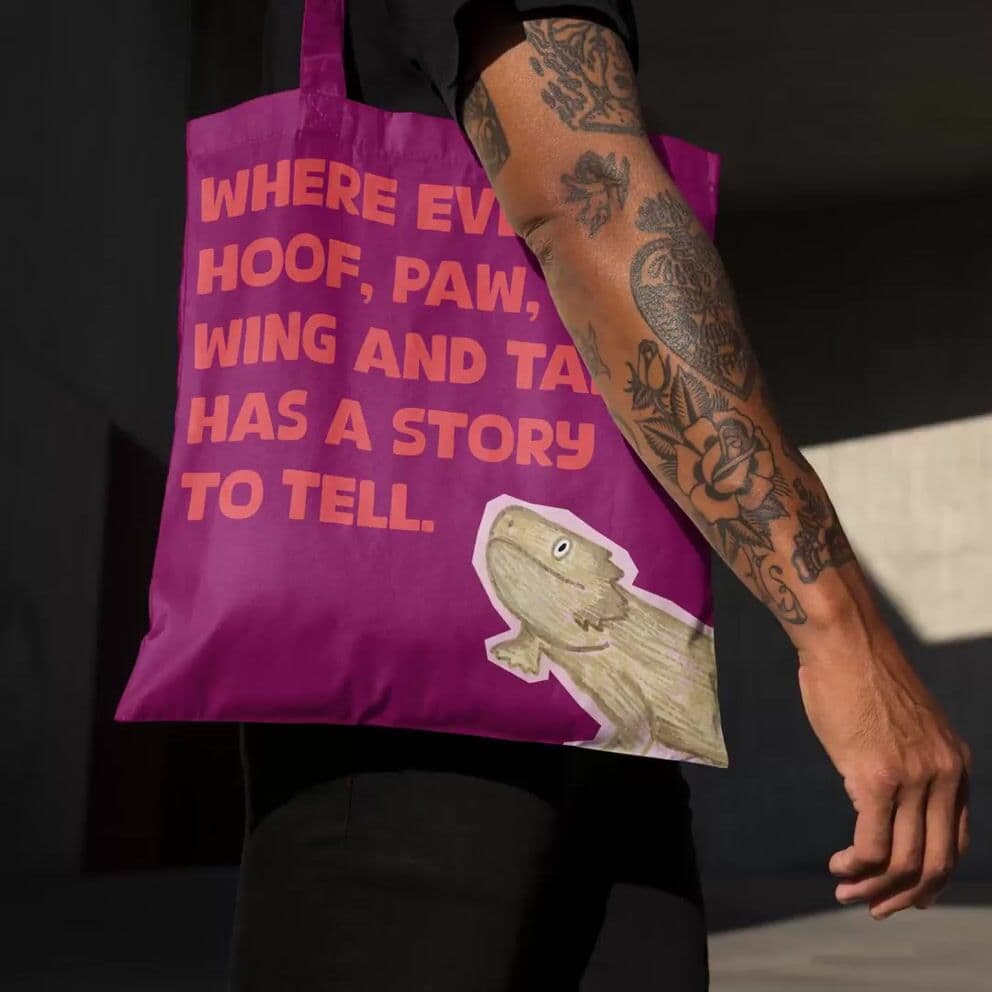
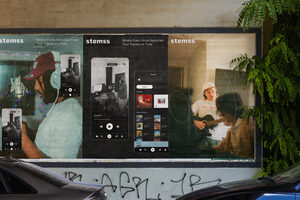
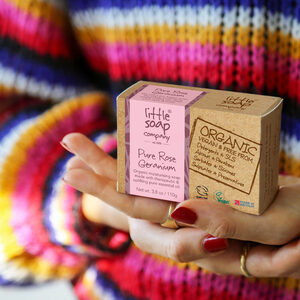
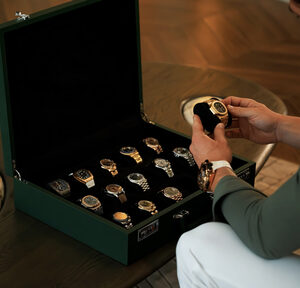
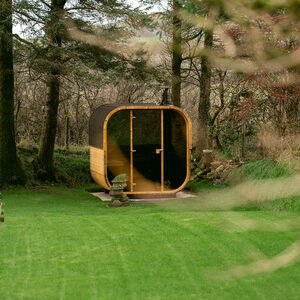
From local businesses, to global brands, we work with a range of clients to help them maximise their opportunities online. Take a look at the projects we've worked on and the results we've achieved.









Hear It From Our Clients
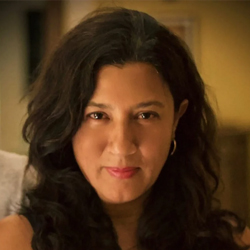
Our clients say it all! Listen to their experiences of working with the team at Discovery and how we've helped their business grow.
Our Services
From bespoke branding, to cutting-edge web design, to tailored software development, and data-driven digital marketing, our services are designed to help your business thrive online. We also make accessing all of these services easy, as we have dedicated experts in each field, ensuring every part of your digital strategy is managed in-house.
Our Vision
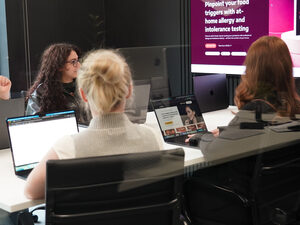
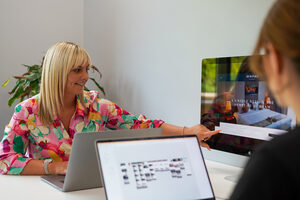
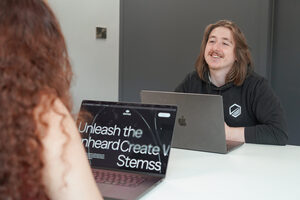
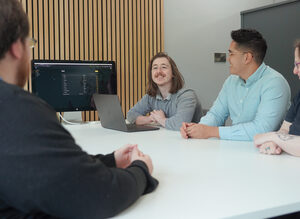
“Our vision is to craft brands, design websites, and create campaigns that forge meaningful connections that drive outcomes. We are committed to empowering our clients, nurturing our team, and fostering partnerships to help everyone achieve their highest potential.” 🎙️

James Addison
Director





We’re A Top 3% Agency In The UK
Our partnerships give our clients exclusive access to expert advice, support, and discounts to help elevate their online presence further. In 2024, through our experience generating results for our range of PPC clients, we became a Google Premier Partner. This establishes Discovery Design amongst the top 3% of agencies in the UK. As well as Google, we’re also a Klayvio partner, Trustpilot Partner, Shopify Partner, and Microsoft Select Partner.









Insights
Stay in the know with expert advice, practical ideas and digital insights from the team at Discovery, designed to help your business grow online.
North East Web Design & Digital Marketing Agency
We provide businesses with bespoke branding, web design, software development and digital marketing solutions, backed by over 20 years of experience. Leveraging our expertise in web design and marketing, we take pride in building bespoke, highly-functional websites that not only look beautiful, but will drive results for your business.
Our trained team can also help you grow your visibility in search engines, by creating targeted, SEO-focussed content that meets the needs of your audience. Located in County Durham, we offer a range of web design, ecommerce websites, marketing, branding, and Pay Per Click services across the North East.
Our portfolio of clients throughout Durham, Tyne and Wear, the North East and across the country continues to grow, and we're proud to have built a reputation for quality service. When you work with our team, you can be confident you’re working with a trusted partner.
Elevate Your Business To New Heights
Get in touch with our team to explore our website, branding, software, and digital marketing services. We're only a phone call away too if you need further help!